Charging an electric vehicle with solar panels is a fantastic way to cut down on energy bills while using sustainable power.
By harnessing sunlight to power your EV, you can decrease your reliance on the electrical grid and even avoid high electricity costs during peak hours.
Our expert guide explains how to charge your EV with solar panels and covers essential details like the best time to charge, the best portable solar panel, an EV solar calculator, and how much money you can save!
What are your car’s options worth? Find out instantly with our free pricing calculator and see how much your specification is really worth. It's instant and free!

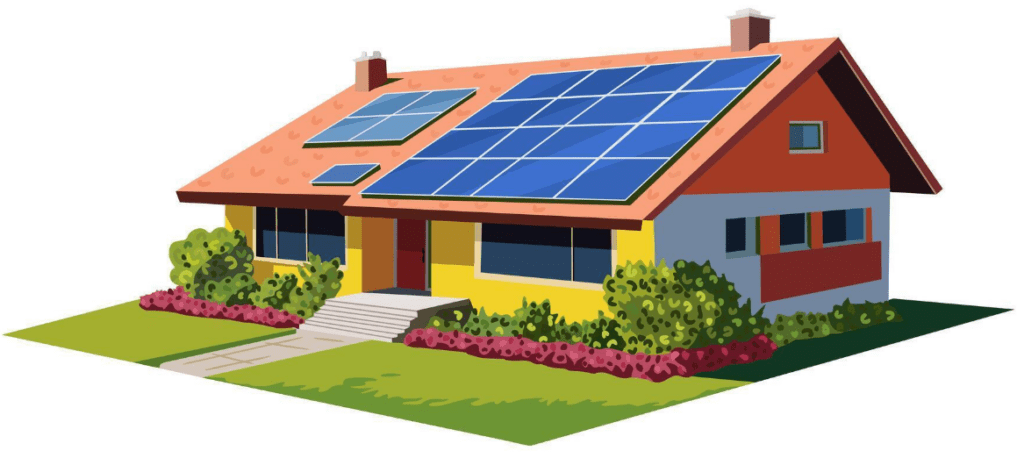
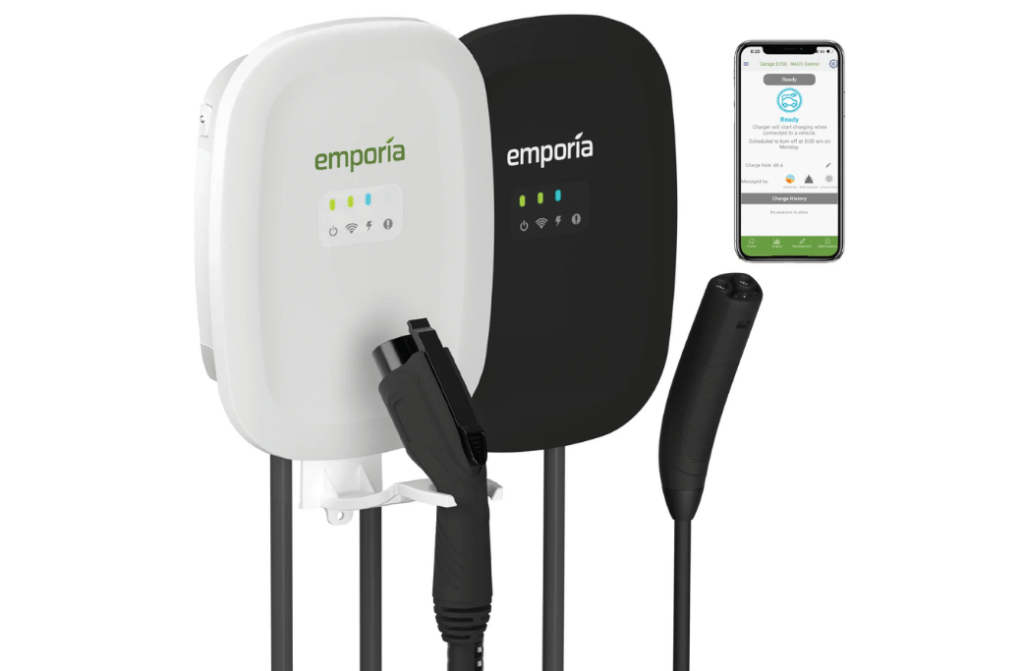
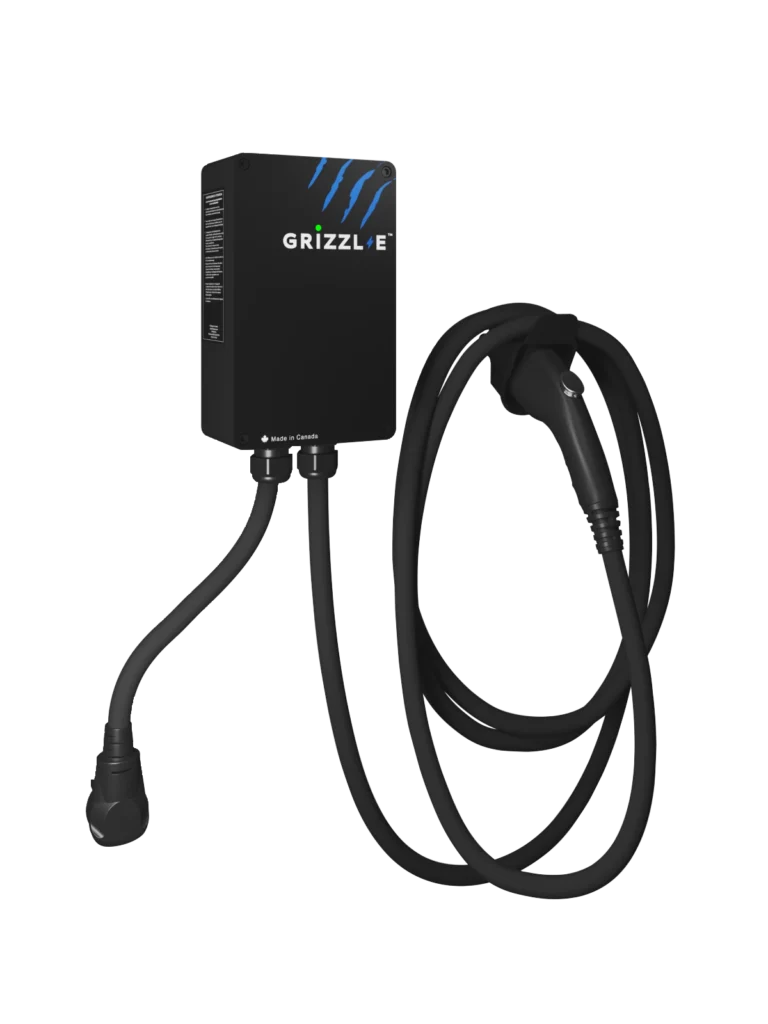
Using solar panels for EV charging requires a solar panel system to generate power and an EV charger compatible with solar integration. Here’s a simplified breakdown of how the process works:
Charge with Solar Power: The most affordable way to charge your EV is during daylight hours using electricity from your home’s solar panels. With a smart EV charger, this cost is essentially equivalent to what you’d earn on a solar buyback rate, often around 7-10 cents per kWh. For a typical EV, this comes to around $0.50 per day. That’s a fantastic deal!
Off-Peak Charging: The next best option is to charge overnight when electricity rates are lowest. If you’re on a Time of Use (ToU) rate plan, off-peak rates usually range from 10-15 cents per kWh, making it about $0.90 per day for a full charge.
Anytime Charging: Charging whenever you’re home is usually the most expensive option. For a standard rate plan, typical electricity rates are about 20-30 cents per kWh, which brings the daily cost to around $1.80.
The cost of charging your EV from home solar varies across the U.S. For a typical 60 kWh EV battery, using a flat electricity rate of 20-30 cents per kWh would cost around $18 to fully charge. But if you’re able to use solar to charge during peak sun hours, your cost can be significantly lower, or even free!
If you have solar panels, try scheduling your EV charging during peak sunlight hours. This can cut your charging costs drastically – even down to zero if you can cover the entire charge with solar!
For those without solar, consider setting up a smart charging plan that automatically charges your EV during off-peak hours. This way, you’ll save money and reduce your impact on the energy grid.
Discover the value of your cars options and specification!
You don’t need special solar panels to charge your EV – standard panels will work just fine! However, what really matters is the capacity of your solar system, which is measured in kilowatts (kW), and how much energy it can consistently generate, even during cloudy or shorter winter days.
Here’s how it works: Solar systems are rated based on their maximum generation capacity, which they can only reach in optimal sunlight. On a sunny day, for example, a 5kW solar system can produce 5 kilowatts per hour, but on a cloudy day, you’re more likely to see only 70 – 80% of that. So, if you’re in an area with frequent cloud cover, you might expect that 5kW system to only produce about 3.5kW per hour, or possibly less if conditions are dark.
For EV charging, these energy variations affect the type of charging speeds you can expect. On the sunniest days, a robust 5kW system can deliver enough energy to cover typical daily commutes (roughly 30–40 miles) in real-time without drawing from the grid. But on overcast days, even the best solar setup may only supply part of your EV’s charging needs. For instance, if it’s a darker day, a 5kW system might only output 1.5kW, which is enough to support slower, trickle charging but may not fully cover faster charging needs.
Even when solar alone doesn’t fully charge your EV, it still makes a substantial dent in your energy bills by reducing the amount of power you pull from the grid.
Different EVs consume different amounts of energy, usually measured in kilowatt-hours (kWh) per mile. For example, a Tesla Model 3 might use around 0.25 kWh per mile, while a Ford Mustang Mach-E might use closer to 0.34 kWh per mile. Check your specific EV’s efficiency to get a more accurate calculation.
Think about how many miles you typically drive each day. For instance, if you drive 30 miles daily and your EV uses 0.3 kWh per mile, you’d need around 9 kWh of energy daily (30 miles x 0.3 kWh/mile).
The amount of sunlight you get will directly impact how many panels you need. This is measured in peak sun hours per day, which can vary by location. For example, Arizona has around 6 peak sun hours daily, while northern states like Michigan may have closer to 4. More sunlight means fewer panels are needed, while less sunlight means you may need to install more to cover your energy needs.
Solar panels come in different wattages, typically between 250-400 watts. A 400-watt panel will produce more energy in the same sunlight conditions than a 300-watt panel, so if you choose higher-wattage panels, you’ll likely need fewer.
Say you need 9 kWh daily to charge your EV with solar, and you live in an area that averages 5 peak sun hours per day:
Calculate Your Daily Solar System Needs:
Divide your daily energy need by peak sun hours:
9 kWh ÷ 5 hours= 1.8 kW
This means you’d need around a 1.8 kW solar system to cover your daily EV charging needs.
Determine Number of Panels Needed:
If you choose 400-watt panels, each one produces 0.4 kW.
1.8 kW ÷ 0.4 kW per panel = 4.5
So, you’d need about 5 solar panels rated at 400 watts each to generate enough energy for your EV.
Planning to charge your electric vehicle (EV) with solar power? There are several key factors to consider when estimating how many solar panels you’ll need:
A larger EV battery requires more energy to reach a full charge, so it’s crucial to know your car’s battery size and daily mileage needs. For example, a smaller EV battery may need fewer panels, while a high-capacity battery will require a larger solar setup to avoid over-relying on the grid.
Solar panels produce different amounts of electricity based on your area’s sunlight. If you live in a sun-rich location, your panels will generate more energy, meaning you may need fewer of them. Conversely, cloudier or rainier areas often require more panels to compensate for reduced sunlight hours.
Not all solar panels are created equal. High-efficiency panels generate more power from the same amount of sunlight. Investing in premium, high-efficiency panels can mean fewer panels are needed to achieve the same output, which may save you space and optimize the system’s productivity.
If your solar array powers both your home and EV, you’ll want a system that produces enough energy for both. Calculate your home’s electricity usage and ensure the solar system is sized to cover both household and EV charging needs.
Solar panels positioned to maximize sun exposure perform better. In the Northern Hemisphere, south-facing panels are ideal, as they receive the most sunlight throughout the day. Correct positioning can significantly boost the system’s performance for EV charging.
Adding a solar battery allows you to store excess energy generated during the day, which you can use to charge your EV overnight. However, incorporating battery storage means you may need more panels to create enough power to meet your charging needs day and night.
To get the best estimate, consult a qualified solar installer who can evaluate these factors based on your location and energy needs. While the exact number of solar panels will vary, starting with around 10-15 high-efficiency panels is often a good benchmark for reliably powering an EV in most regions. This setup can help you achieve a more sustainable and cost-effective EV charging solution!
Installing solar panels is a fantastic way to reduce energy costs, but it’s essential to understand the initial investment, especially if you plan to charge an electric vehicle (EV). Here’s a breakdown of typical U.S. solar installation costs:
A 4kW solar panel system without battery storage generally costs around $12,000 in the U.S., depending on panel quality and labor costs. Adding an energy storage system, like a solar battery, can increase the cost to approximately $16,000. Battery storage provides more flexibility, allowing you to use stored energy at night, which is ideal for EV owners who charge overnight.
A more robust system of up to 7kW, capable of supporting higher energy needs, ranges from $18,000 to $25,000. This size is recommended for households that have higher energy consumption or want to reliably charge an EV without heavily relying on the grid.
In the U.S., a single solar panel costs around $300–$600. You’ll typically need 12–16 panels to generate 3kW to 4kW of power, depending on panel efficiency and local sunlight.
For those interested in the Tesla Solar Roof, which integrates solar generation into the roof’s structure, the current estimated price is approximately $40,000 for a 2,000-square-foot roof. This solution provides both a new roof and integrated solar capabilities, but installation costs may vary based on location and labor rates.
Your roof’s state significantly impacts installation costs. Roof repairs or reinforcements might be necessary if it lacks the load-bearing capacity for a solar array, adding additional costs ranging from a few hundred to several thousand dollars. Proper roof readiness ensures safe and long-lasting solar panel performance.
Federal tax credits, like the Solar Investment Tax Credit (ITC), allow you to deduct 30% of your installation costs from your federal taxes. State incentives and rebates may further reduce costs, making solar power even more accessible and affordable in the long run.
Limited incentives are available. While power purchase agreements (PPAs) are not permitted, Alabama offers net metering options and limited tax incentives for residential solar installations.
Financing options and net metering are available, although there are no state rebates. Rebates are available from local utilities for renewable energy projects.
A 25% personal tax credit on system costs (up to $1,000) is available, along with property tax exemptions. Arizona also has solar energy tax incentives and rebate programs to support residential and commercial installations.
Offers a robust range of incentives, including property tax exemptions, the Self-Generation Incentive Program (SGIP) for battery storage, and net metering. California’s incentive programs are designed to promote solar adoption widely, from residential users to commercial sectors.
Colorado provides net metering, rebates through local utility programs, and sales tax exemptions for solar equipment. It also has financing options and community solar initiatives.
Incentives in Connecticut include the Residential Solar Investment Program (RSIP), which provides performance-based incentives and rebates, and a property tax exemption for renewable energy systems.
Delaware has solar renewable energy certificates (SRECs) available, along with rebates of $700 per kilowatt-hour (up to $6,000) and net metering. This is aimed at both increasing solar installations and allowing residents to monetize their solar production.
Florida offers a sales tax exemption for solar equipment and a property tax abatement for residential renewable energy systems. However, the state does not provide net metering for all utilities. You can find more details on Florida’s solar incentives at DSIRE.
There is a clean energy tax credit available for solar systems, as well as net metering options. The state has no rebates but offers local incentives through select utility companies.
Hawaii provides a significant renewable energy tax credit of 35% of the system cost (up to $5,000 for residential systems). Net metering is also available through a range of utility programs.
Idaho residents benefit from a residential alternative energy tax deduction, allowing up to 40% of the system cost in the first year and a maximum deduction of $20,000.
Illinois has incentives such as the Adjustable Block Program for solar energy credits (SRECs) and property tax exemptions. Net metering is also available through state utilities.
Indiana has net metering for smaller systems and offers property tax exemptions for renewable energy installations.
Offers a state solar tax credit worth 15% of the system’s cost, up to $5,000. Net metering is widely available through utility companies.
Provides net metering for residential solar systems and some local utility rebates. However, Kansas has limited statewide solar incentives.
Kentucky’s net metering policies support residential systems, but the state has no additional solar incentives.
Offers local utility rebates, although state-level incentives have expired. Net metering is limited.
Provides a property tax exemption and an innovative net metering program that allows residents to be credited for power sent back to the grid.
Maryland has a state solar grant program, property tax exemptions, and solar renewable energy credits (SRECs).
Offers significant incentives, including the SMART program for solar credits, net metering, and a solar sales tax exemption.
Net metering is available, and some utility companies offer rebates for residential solar installations. Michigan’s solar property tax exemption also helps reduce costs.
Minnesota has net metering, the Made in Minnesota Solar Incentive Program, and solar property tax exemption. Community solar programs are also available.
Offers net metering and some utility incentives but lacks a statewide solar tax credit.
Provides a property tax exemption for solar systems, and many local utilities offer rebates.
Montana offers a state tax credit worth 26% of the cost of solar installations and has net metering policies.
Nebraska has limited state-level incentives for solar but offers net metering and some local utility rebates.
The state provides net metering and a sales tax exemption for solar systems. Nevada also offers various local utility programs that incentivize solar energy use.
New Hampshire has a renewable energy fund that provides grants for solar installations and a property tax exemption for solar energy systems.
New Jersey offers a strong solar renewable energy certificate (SREC) program, net metering, and a sales tax exemption for solar equipment.
New Mexico provides a tax credit worth 10% of the system cost (up to $1,000) for residential solar installations, as well as net metering and local utility rebates.
New York offers a state solar tax credit worth 25% of the installation cost (up to $5,000) and a robust net metering policy.
North Carolina offers a state tax credit for solar energy systems and allows net metering. There are also several local utility incentives available.
North Dakota has limited state incentives for solar but allows net metering. There are also a few local programs that may offer additional support.
Ohio provides net metering and various local utility incentives, although there are no statewide tax credits for solar systems.
Oklahoma has net metering for residential solar systems and offers a sales tax exemption for solar equipment.
Oregon has a state solar tax credit of up to $6,000 and various local utility incentives. Additionally, net metering policies are in place.
Pennsylvania offers a solar renewable energy credit (SREC) program and net metering for solar installations. Some local utilities also provide rebates.
Rhode Island provides a strong solar renewable energy program and offers net metering and state incentives.
South Carolina offers a state solar tax credit worth 25% of the system cost, with net metering also available.
South Dakota has limited state incentives for solar energy and allows net metering but lacks additional tax credits or rebates.
Tennessee provides net metering and some local utility incentives, though there are no specific state tax credits for solar energy.
Texas has no statewide solar incentives but offers net metering and various local utility programs. The state does provide a property tax exemption for solar installations.
Utah offers a state income tax credit of 26% of the installation cost, along with net metering policies.
Vermont has a solar program that includes net metering and various local incentives. The state offers some financial assistance for renewable energy projects.
Virginia offers net metering and a solar renewable energy credit (SREC) program, although statewide tax incentives are limited.
Washington provides a sales tax exemption for solar systems and net metering policies. The state has various incentive programs available through local utilities.
West Virginia has limited incentives but allows net metering for solar installations. There are no state-specific tax credits available.
Wisconsin offers some local utility rebates and allows net metering for solar systems. However, state tax incentives are minimal.
Wyoming has limited solar incentives, with net metering available but no specific state tax credits.
Net metering is a billing arrangement that allows residential and commercial solar energy system owners to receive credit for the excess electricity they generate and feed back into the grid.
Essentially, when your solar panels produce more electricity than you use, the surplus energy is sent to the grid, and you receive credits on your utility bill for that energy.
This can offset the cost of the electricity you draw from the grid when your solar system isn’t producing enough power, such as during the night or cloudy days.
Net metering policies can vary significantly by state in the U.S. Some states have specific caps on the amount of electricity that can be net metered, while others may offer different credit rates or have different rules for commercial versus residential systems.
you can visit DSIRE and EnergySage. These resources provide comprehensive insights into the policies and incentives available for solar energy users across the United States.
Are you wondering what to do with all the excess energy your solar panels generate? A solar battery storage system could be your answer! This innovative technology captures and stores the electricity your solar panels produce during the day, allowing you to make the most of your renewable energy – especially when it comes to charging your electric vehicle (EV).
Maximize Solar Energy Use: Without a battery storage system, any extra energy your solar panels generate during the day that you don’t use goes to waste. With battery storage, you can store this energy for later use, ensuring you get the full benefit from your solar investment.
Nighttime Charging: An energy storage system allows you to charge your EV at night using solar energy captured during the day. This not only reduces your reliance on grid electricity but can also save you money on your energy bills, especially if you charge during off-peak hours.
Backup Power: In case of power outages, having a solar battery storage system provides a reliable backup. The stored energy can be used to keep your home powered and charge your EV, giving you peace of mind during unexpected outages.
A typical solar setup includes solar panels, an inverter, a connection to the utility grid, and a battery storage unit. Here’s a step-by-step overview of how it all works together:
While integrating battery storage into your solar system may increase your initial investment, it significantly enhances your solar capabilities and can lead to long-term savings. By optimizing your energy use, reducing grid dependency, and ensuring backup power, battery storage can provide independence and reliability for your home.
The process begins with solar panels installed on your roof or property. These panels capture sunlight and convert it into Direct Current (DC) electricity. The efficiency of solar panels can vary based on factors such as type, orientation, and local climate conditions, but modern panels can convert over 20% of sunlight into usable energyonversion: The generated DC electricity is then sent to an inverter. This device converts DC into Alternating Current (AC) electricity, which is the type of electricity used to power most household appliances and your EV charger.
The inverter also connects your solar panel system to the electrical grid. Any excess energy produced by your solar panels that isn’t used in your home can be fed back into the grid. This two-way exchange of energy is known as net metering, allowing homeowners to receive credits for the surplus energy they contribute. When your solar panels aucing enough power (such as at night or on cloudy days), you can draw supplemental energy from the grid.
For solar EV charging, the inverter can direct some of the DC current from the solar panels straight to your EV charger. This process powers up your vehicle’s battery much like plugging it into a standard wall outlet. Any remaining energy can either bk into your home’s electrical system or stored in a battery storage unit for later use.
Switching to solar EV charging can lead to substantial cost savings. By generating your own electricity, you significantly reduce the need to purchase power from the grid. A study by the National Renewable Energy Laboratory (NREL) found that solar-powered EV charging can cut charging costs by up to 80% compared to conventional electricity ratesnally, many states offer incentives such as tax credits, rebates, and net metering programs, further lowering the overall costs of solar installations.
Solar energy is a clean, renewable resource that can help mitigate climate change. By using solar power for EV charging, you reduce greenhouse gas emissions associated with traditional fossil fuels. According to the Environmental Protection Agency (EPA), switching to solar can save up to 4,000 pounds of carbon dioxide emissions per year, which is equivalent to planting approximately 100 trees. The cumulative adopting solar charging systems can significantly impact global efforts to reduce pollution and promote sustainable practices.
Integrating solar EV charging systems into the grid enhances its resilience. During peak demand times, when the grid is under stress, solar energy can provide relief by supplying power locally. This decentralized energy generation reduces the strain on the grid and minimizes the risk of blackouts. The U.S. Department of Energy emphasizes that distributed energy resources, such as solar, contribute to a more reliable and robust electrical infrastructure.
Many solar EV charging setups include battery storage systems, which allow homeowners to store excess energy generated during the day for later use. This stored energy can be particularly useful for nighttime charging or during power outages, providing an additional layer of security. Battery storage systems not only maximize the use of solar energy but also offer a backup power solution, ensuring that you can charge your EV even when the grid is down.
Investment technology can enhance the value of your home. According to a study by Zillow, homes with solar energy systems sell for about 4.1% more on average than comparable homes without solar. Potential buyers are increasingly looking for energy-ed sustainable features in properties, making solar installations a wise investment that pays off in both energy savings and property value appreciation.
Installing a solar energy system to meet your electric vehicle (EV) charging needs requires careful planning and consideration. Here are some key steps to guide you through the process of integrating solar power into your EV charging routine:
Begin by evaluating your current electricity usage, the size of your EV battery, and your estimated mileage. Consider how often you plan to charge your EV and at what capacity. This assessment will help you determine the size of the solar array needed to adequately power both your home and your EV charging station.
Select durable solar panels and appropriate mounting equipment, along with a grid-tied inverter that matches your system’s capacity. Ensure that you also choose a smart EV charger compatible with your specific vehicle model. Optimizing for efficiency means considering panels with high energy output and reliable performance.
Research local laws, permitting processes, and utility policies in your area. Many states have specific regulations regarding home solar systems, net metering policies, and grid connections. Familiarizing yourself with these regulations can streamline the installation process and prevent potential delays.
Investigate federal, state, and local incentives, tax credits, and rebates. The Federal Investment Tax Credit (ITC) allows homeowners to deduct 30% of the cost of solar systems from their federal taxes, while many states offer additional incentives that can significantly offset installation costs. Websites like the Database of State Incentives for Renewables & Efficiency (DSIRE) provide comprehensive information on available incentives by state.
Hire a qualified, licensed solar contractor with extensive experience in designing and installing integrated solar, battery, and EV charging systems. It’s advisable to obtain multiple quotes to compare costs and services. A reliable installer will help ensure that your system is properly sized and installed to maximize efficiency.
Integrating a battery storage system allows you to store excess solar energy for later use. This is particularly beneficial for charging your EV at night or during periods of low sunlight. Battery storage maximizes your solar capabilities and enhances your energy independence by providing backup power during outages.
Implement monitoring software to track your solar production and energy consumption. This data can help you optimize your system’s performance over time, ensuring that you are making the most of your solar investment.
Look for Local Installers: Focus on installers in your area who have experience with complete solar, battery, and EV charging systems. Check online reviews and ask for references to assess their service quality.
Verify Qualifications: Choose a licensed and bonded electrician. Look for credentials from leading manufacturers like Tesla or LG to ensure the installation team is well-trained.
Membership in Industry Organizations: Check if the installer is a member of reputable organizations, such as the Solar Energy Industries Association (SEIA) or the North American Board of Certified Energy Practitioners (NABCEP), which indicates their expertise and commitment to industry standards.
Evaluate Equipment Options: Ensure the installer offers high-efficiency solar panels, battery storage units, inverters, and EV chargers from trusted brands. Look for warranties of 10 years or more on panels and components to ensure reliability.
Site Evaluation and Custom Design: The installer should conduct a thorough site evaluation to customize your system design for optimal performance and energy output.
Service and Support: Consider the installer’s responsiveness and ongoing support capabilities. A good installer will provide system monitoring, maintenance, and troubleshooting assistance after installation.
Understand Terms and Agreements: Make sure you understand the full terms of your installation agreement, including permits required, available incentives, and payment timelines.
Determining whether solar panels are worth the investment involves several factors, including cost, energy savings, environmental impact, and available incentives. Here’s a comprehensive overview to help you decide if solar panels are a good fit for your situation.
The average cost to install solar panels in the U.S. ranges from $15,000 to $25,000 before tax credits and incentives. However, prices can vary significantly based on system size, location, and specific equipment choicesncentives and Tax Credits:
The Federal Investment Tax Credit (ITC) allows you to deduct 30% of the installation costs from your federal taxes. Additionally, many states and local governments offer rebates, grants, and performance-based incentives that can significantly reduce upfront costs.
Homeowners can expect to save anywhere from $10,000 to $30,000 over 20 years by installing solar panels, depending on local electricity rates and the size of the system. In many regions, solar can even eliminate electricity bills, providing a return on investment (ROI) that typically ranges from 10% to 20% annually.
Homes with solar panels tend to sell for more than those without. A study from the National Renewable Energy Laboratory found that solar installations can increase property values by about $15,000 on average.
Ultimately, the decision to invest in solar panels will depend on your specific circumstances, individual considerations, local incentives, and your commitment to sustainability. For many homeowners, solar panels represent a wise investment that pays off both financially and environmentally over time.
For more detailed information on the financial and environmental benefits of solar panels, you can explore sources such as the Solar Energy Industries Association SEIA and the National Renewable Energy Laboratory NREL.

Article By: Dale Ogden
Dale is a recognized expert in the automotive industry, known for his expertise in automotive asset management and consulting.
As the founder of Check Your Spec and former Forecast Manager at CAP HPI (equivalent to Kelley Blue Book in the USA) he made significant contributions to the development of forecasting strategies and depreciation models for internal combustion engines, hybrid, and electric commercial vehicles in the UK.
With over two decades of experience, Dale pioneered EV forecasting models that are now used by leading manufacturers.
His work has also produced residual values for over 10,000 new vehicles.

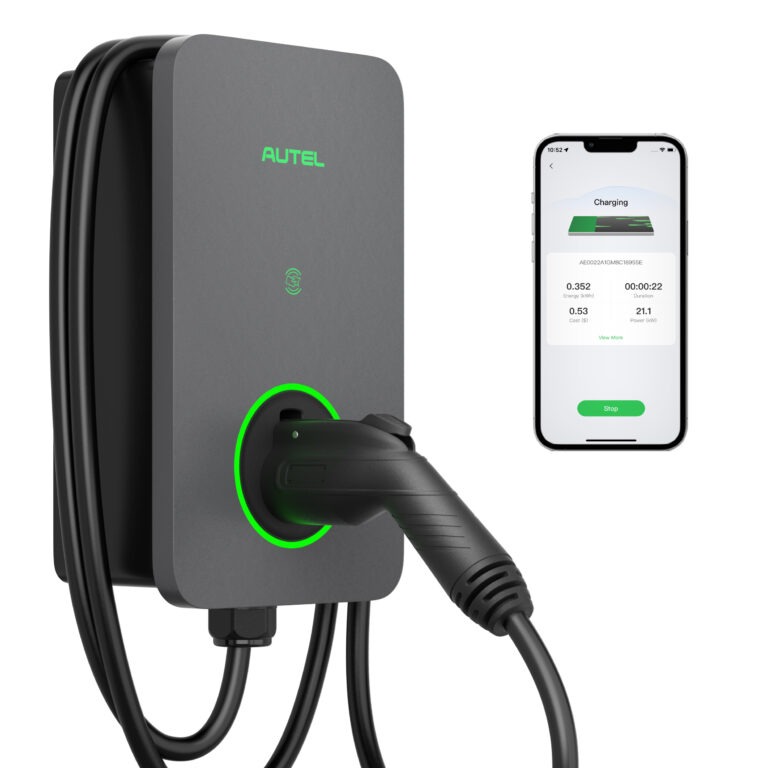
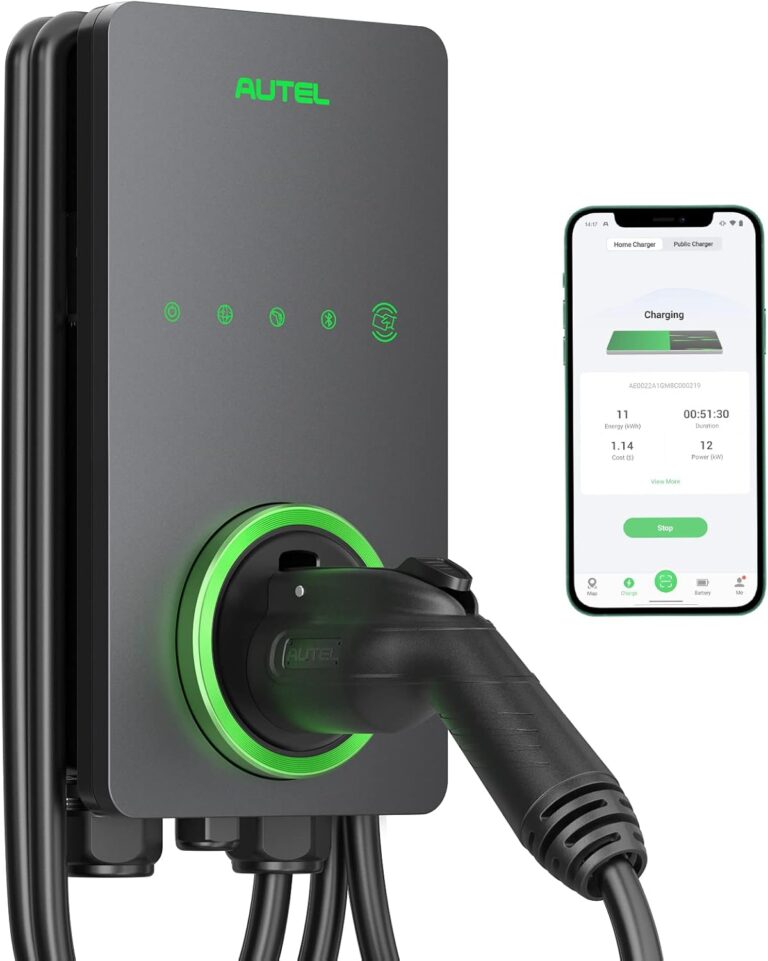
In general, you can’t directly charge an EV from solar panels without an intermediary device. Solar panels produce Direct Current (DC) electricity, whereas most EVs require Alternating Current (AC) for charging. To bridge this gap, a solar inverter is typically used to convert DC from the panels into AC compatible with your EV.
Additionally, connecting your EV directly to solar panels would limit charging to times when the sun is shining and when the panels are producing sufficient energy. For practical and consistent charging, most setups involve a solar power system that includes a battery and inverter to store and manage energy.
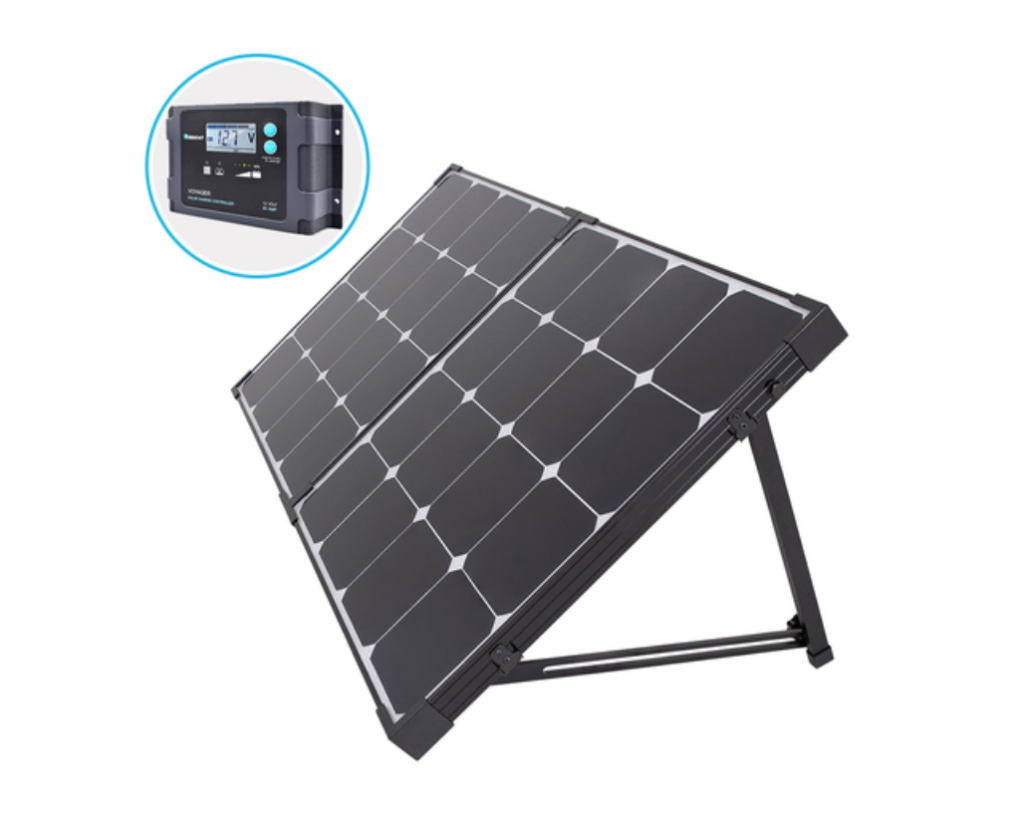
Yes, you can charge a car’s 12V battery with a solar panel. Smaller solar panels—typically between 5-20 watts—are commonly used for maintaining a charge in 12V batteries, especially in off-grid or low-use scenarios. This is often done using a solar charge controller, which helps regulate the voltage and prevents overcharging. Without a charge controller, the car battery can become damaged due to voltage inconsistencies.
No, you generally cannot charge an EV battery directly from a solar panel due to the differences in voltage and power requirements. Solar panels produce relatively low voltage, while EV batteries need a higher, more stable current. EV charging typically involves level 2 charging (240V AC) for efficiency, which requires a solar system with an inverter and potentially a battery for energy storage.
If you’re interested in an off-grid solar charging option, a setup that includes solar panels, a battery storage system, and an inverter can be used to store solar power during the day, which can then be used to charge the EV in the evening or during peak usage.
To charge a standard 12V car battery, you’ll typically need a solar panel rated at least 100 watts. This size panel provides sufficient power to generate a charging current that will replenish a car battery efficiently. However, the exact size depends on:
The number of panels needed depends on both your EV’s battery size and your average driving habits. For example:
If you use 300-watt solar panels and receive about 4 hours of peak sunlight per day, each panel could generate roughly 1.2 kWh per day. To offset a daily EV charging need of 20 kWh, you would need approximately 17 panels. This can vary depending on the solar system efficiency, your specific energy consumption, and sunlight availability.
A 100W solar panel can charge a 12V car battery but at a slow pace. On average, a 100W panel produces about 30 amp-hours in a day of full sun, or roughly 6 amps per hour. Charging a 50Ah battery could take around 8-10 hours on a sunny day.
For EV batteries, a 100W panel would be insufficient as EVs require much more power; instead, a larger solar array would be needed to achieve practical charging times.
To connect a solar panel to a car battery safely, follow these steps:
Using a charge controller helps regulate the power flow and protect the battery from being overcharged or damaged due to voltage fluctuations.

Unlock accurate valuations for your car’s features in seconds – find out what your options are worth today and in the future.