


Best 10 Cargo Boxes - Budget & Premium
- Last Updated
- December 11, 2024
Your Ultimate Guide To The Best 10 Cargo Boxes
Welcome to our comprehensive guide for the best 10 cargo boxes you can buy today!
Whether you’re looking at premium or budget options, popular brands like Yakima vs Thule, we have you covered.
Each cargo box includes a quick smnapshot of six important stats, like storage capacity, aerodynamic profile, and security level. We’ve also include things to consider when looking at a cargo box, as well as a buyers guide, and common FAQ’s.
Best Premium Cargo Box

Thule Motion 3 XXL
- Storage Capacity: 22 cubic feet
- Aerodynamics: Low-profile
- Ease of Installation: Tool free
- Materials: ABS plastic
- Security Features: Slidelock system
- Vehicle Compatibility: Universal fit
- Reviews: 2500+ 4.1 Stars
The Thule Motion 3 XXL is a premium rooftop cargo box designed for families and adventure enthusiasts who need maximum storage space. With its 22 cubic feet of capacity, it easily accommodates luggage, camping gear, or ski equipment for extended trips. The dual-side opening allows for convenient access from both sides of the vehicle, while the SlideLock system ensures secure closure and safety.
Constructed with aerodynamic design and durable materials, it minimizes wind resistance and noise during travel, making it ideal for long road trips. The tool-free PowerClick mounting system enables quick and hassle-free installation, making it compatible with most roof racks.
- You need a high-capacity cargo box with 22 cubic feet of space for large gear, perfect for long trips or big families.
- You value convenience, as the dual-side opening makes loading and unloading gear from either side of your vehicle easy.
- You’re looking for a cargo box that’s easy to install with the PowerClick mounting system, suitable for most roof racks.
- You want a durable and aerodynamic design to minimize wind drag and reduce noise while driving at highway speeds.
best lightweight cargo box

Yakima SkyBox 16 Carbonite
- Storage Capacity: 16 cubic feet
- Aerodynamics: Dimpled surface
- Ease of Installation: No tool
- Materials: Carbonite (Hi Han Solo)
- Security Features: Superlatch
- Vehicle Compatibility: Most crossbars
- Reviews: 2500+ 4.1 Stars
The Yakima SkyBox 16 Carbonite is a mid-sized rooftop cargo box designed for travelers who need extra storage space without compromising on style or fuel efficiency. With 16 cubic feet of capacity, it’s perfect for camping gear, luggage, or skis, making it versatile for road trips and family vacations. The aerodynamic Carbonite textured lid reduces drag and wind noise, improving vehicle efficiency on long drives.
Equipped with dual-side opening for easy access, it also includes a SuperLatch security system to ensure your cargo stays safe and secure. The quick-installation mounting hardware fits most roof racks, offering a simple and tool-free setup.
- You need moderate storage capacity of 16 cubic feet, ideal for families, weekend getaways, or ski trips.
- You prioritize fuel efficiency and quiet driving, thanks to the aerodynamic Carbonite lid designed to reduce wind resistance.
- You want easy access to your cargo from both sides of the vehicle with the dual-side opening feature.
- You’re looking for a secure and durable cargo box with the SuperLatch system that keeps your belongings safe during your travels.
best budget cargo box

SportRack Vista XL
- Storage Capacity: 18 cubic feet
- Aerodynamics: Standard
- Ease of Installation: Easy
- Materials: ABS plastic
- Security Features: Rear opening lock
- Vehicle Compatibility: Universal fit
- Reviews: 2500+ 4.1 Stars
The SportRack Vista XL is a budget-friendly rooftop cargo box that provides 18 cubic feet of extra storage for road trips, camping, and vacations. Its durable ABS plastic construction makes it weather-resistant and tough enough to handle various travel conditions. This cargo box offers a secure, rear-opening design for convenient access to your belongings while keeping them safe from the elements and road debris.
Designed to fit most roof racks with its easy-to-mount system, the SportRack Vista XL is ideal for families or adventurers needing extra space without breaking the bank. It’s also lockable, providing a layer of security for your gear.
- You need affordable, high-capacity storage with 18 cubic feet, perfect for large items like tents, luggage, or camping gear.
- You want a durable and weather-resistant cargo box that can handle long trips in various weather conditions.
- You prefer rear-opening access, making it easy to load and unload cargo while keeping your gear secure.
- You’re looking for a straightforward, easy-to-install rooftop carrier that fits most crossbars without complex mounting tools.
Most versatile cargo box
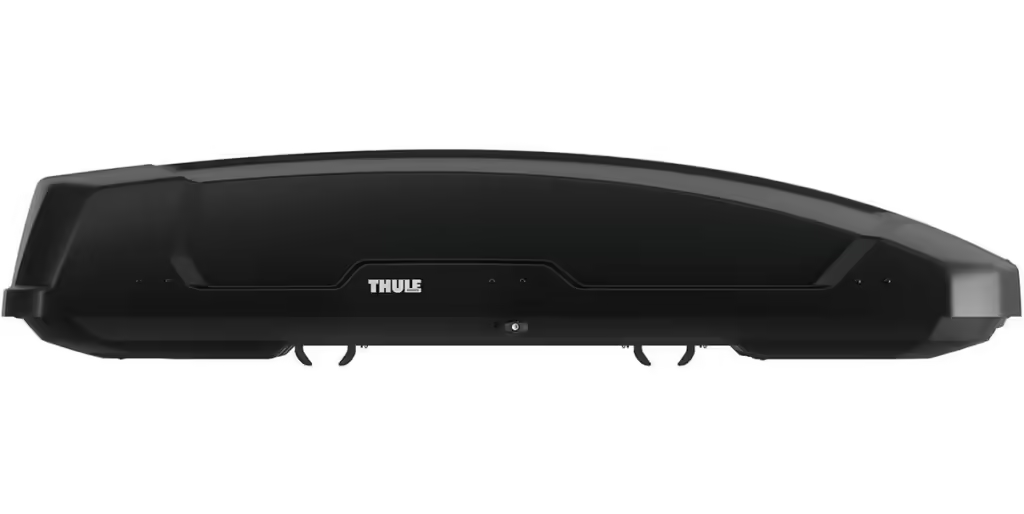
Thule Force Cargo Box
- Storage Capacity: 16 cubic feet
- Aerodynamics: sleek design
- Ease of Installation: Tool free
- Materials: ABS plastic
- Security Features: Dual-sided lock
- Vehicle Compatibility: Universal fit
The Thule Force Cargo Box is a versatile and spacious rooftop storage solution, offering up to 16 cubic feet of storage space. It’s designed with an aerodynamic shape, using Thule’s AeroSkin technology, which helps reduce wind drag and noise, making it ideal for long road trips. The durable, textured lid adds to its ruggedness, providing excellent protection for your gear from weather and road conditions.
With dual-side opening, the Thule Force allows convenient access to your cargo from either side of the vehicle. It’s compatible with a wide variety of roof racks and crossbars, thanks to the Quick-Grip mounting system, which allows for easy, tool-free installation.
- You need a high-capacity rooftop box that can store up to 16 cubic feet of cargo for long trips or large families.
- You want dual-side access, making it easier to load and unload items from either side of your vehicle.
- You’re looking for a cargo box with aerodynamic design that reduces wind noise and drag for a quieter, more fuel-efficient ride.
- You prefer easy installation with the Quick-Grip mounting system that requires no tools and fits most crossbars.
best luxury cargo box

Yakima GrandTour 16
- Storage Capacity: 16 cubic feet
- Aerodynamics: Slim
- Ease of Installation: No tool
- Materials: ABS plastic
- Security Features: Dual sided lock
- Vehicle Compatibility: Most racks
The Yakima GrandTour 16 is a sleek, high-capacity rooftop cargo box designed to combine modern style with ample storage space. Offering 16 cubic feet of storage, it’s perfect for carrying gear on long road trips, without sacrificing your vehicle’s aesthetics. Its low-profile aerodynamic design minimizes wind noise and drag, improving fuel efficiency while giving a polished, premium look to your vehicle.
The Yakima GrandTour 16 features dual-sided access, allowing you to open the box from either side of the vehicle for added convenience. It’s also equipped with SKS (Same Key System) locks, ensuring your belongings are securely stored.
- You want a sleek, modern cargo box that complements your vehicle’s aesthetics while providing 16 cubic feet of storage space.
- You prefer dual-sided opening for easier access to your gear from either side of the vehicle.
- You’re looking for a low-profile, aerodynamic design that minimizes wind drag and noise, improving fuel efficiency.
- You value security and want integrated SKS locks to keep your gear safe during travel.
Most aerodynamic cargo box

INNO Wedge 660
- Storage Capacity: 11 cubic feet
- Aerodynamics: Low profile
- Ease of Installation: Quick mount
- Materials: ABS plastic
- Security Features: Dual sided lock
- Vehicle Compatibility: Compact cars
The INNO Wedge 660 is a sleek, low-profile rooftop cargo box known for its modern design and aerodynamic efficiency. With a 11 cubic feet storage capacity, it’s ideal for compact vehicles or drivers who need moderate storage without compromising fuel efficiency or style. Its smooth finish and clean lines help reduce drag and wind noise, making it a quiet addition to your vehicle.
The INNO Wedge 660 stands out with its dual-sided opening for convenient access from either side of the car and universal crossbar compatibility, making it easy to fit on a variety of roof racks.
- You’re seeking a compact cargo box with 11 cubic feet of storage, perfect for small to midsize vehicles.
- You value aerodynamic design that minimizes wind resistance and noise, improving fuel efficiency.
- You need dual-sided access for easier loading and unloading from both sides of the vehicle.
- You want a cargo box that fits universal roof racks for hassle-free installation.
Most UV Resisitant Cargo Box

Goplus Rooftop Cargo Carrier
- Storage Capacity: 14 cubic feet
- Aerodynamics: Standard
- Ease of Installation: Straightforward
- Materials: UV resistant ABS
- Security Features: Rear opening lock
- Vehicle Compatibility: Universal fit
The Goplus Rooftop Carrier is a budget-friendly hard-shell cargo box offering 14 cubic feet of storage space, ideal for families or adventurers needing extra room for luggage, camping gear, or sports equipment. It’s made from durable ABS and PC materials, providing protection against weather elements and road debris while maintaining a lightweight design for easier installation.
The Goplus stands out with its tool-free assembly, allowing for quick setup and removal, and universal compatibility with most roof racks. Its secure dual-lock system ensures your belongings are safely stored during your travels.
- You need an affordable rooftop cargo box with ample storage space for long trips.
- You prefer a lightweight, durable design that’s easy to mount and remove without special tools.
- You want a cargo box that’s compatible with most roof racks and offers 14 cubic feet of storage.
- You’re looking for a reliable dual-lock system to keep your belongings secure.
Strongest cargo Box

JEGS Rooftop Cargo Carrier
- Storage Capacity: 18 cubic feet
- Aerodynamics: Aerodynamic
- Ease of Installation: Tool free
- Materials: UV protected ABS
- Security Features: Key lock
- Vehicle Compatibility: Universal fit
The JEGS Rooftop Cargo Carrier is a heavy-duty cargo box designed to provide ample storage space for all your travel needs, with a capacity of 18 cubic feet. Its construction features high-density polyethylene, ensuring it can withstand harsh weather conditions while protecting your belongings from rain, snow, and UV rays.
This carrier is designed for easy installation, featuring a universal mounting system that fits most roof racks without requiring additional tools. The dual-sided opening allows for convenient access to your items from either side of the vehicle, making loading and unloading a breeze.
- You need a spacious cargo box with 18 cubic feet of storage for extended road trips or outdoor adventures.
- You prefer a durable design that can handle different weather conditions while keeping your gear safe.
- You value easy access to your belongings from either side of the vehicle, thanks to its dual-sided opening feature.
- You want a tool-free installation process that makes it simple to mount and remove the carrier.
best soft sided cargo Box

Rightline Gear Sport 3
- Storage Capacity: 18 cubic feet
- Aerodynamics: Soft sided
- Ease of Installation: No rack needed
- Materials: Waterproof fabric
- Security Features: Strap system
- Vehicle Compatibility: rackless option
The Rightline Gear Sport 3 is a versatile soft-sided rooftop cargo carrier that provides 18 cubic feet of storage space, making it an excellent choice for families and adventurers alike. Designed to fit vehicles with or without roof racks, this carrier is made from durable waterproof PVC material, ensuring your belongings stay dry during your travels. The dual-seam technology and UV-protected coating enhance its durability, perfect for various weather conditions.
This carrier is easy to install, attaching securely using either car clips or roof rack straps, making it adaptable for different vehicles. It features a secure zipper closure with a protective flap to keep moisture out and offers convenient access to your gear.
- You need a soft-sided option that works with both roof racks and vehicles without them.
- You want an affordable carrier with ample storage space for road trips or .mping.
- You value a waterproof design to protect your items from rain or snow.
- You prefer a cargo carrier that can be easily stored when not in use due to its lightweight and foldable nature.
best compact cargo box
Thule Pulse Medium
- Storage Capacity: 14 cubic feet
- Aerodynamics: Compact
- Ease of Installation: FastGrip
- Materials: ABS plastic
- Security Features: Central lock
- Vehicle Compatibility: Universal fit
The Thule Pulse Medium is a hard-shell rooftop cargo box designed to enhance your vehicle’s storage capacity while ensuring durability and ease of use. With a capacity of 16 cubic feet, it provides ample space for gear, luggage, and outdoor equipment. Constructed from impact-resistant ABS material, this cargo box is built to withstand the rigors of travel and protect your belongings from the elements.
This rooftop box features a dual-side opening, allowing for convenient loading and unloading from both sides of your vehicle. The SecureLock system ensures that the lid is closed securely, providing peace of mind while driving. Its aerodynamic design minimizes wind resistance and noise, making it a great choice for long road trips.
- You need a sturdy, hard-shell cargo box that offers excellent protection for your belongings.
- You want ample storage space for family vacations, camping trips, or outdoor adventures.
- You value the convenience of dual-side access for easy loading and unloading.
- You prioritize a sleek design that minimizes wind resistance for improved fuel efficiency.
Compare The Best 10 Cargo Boxes - Key Stats
| Product | Dimensions (LxWxH) | Material | Load Capacity (lbs) | Compatibility | Locking System |
|---|---|---|---|---|---|
| Thule Motion XT XXL | 91.5 x 37.5 x 18 in | ABS | 165 lbs | Universal | SlideLock |
| Yakima SkyBox 16 Carbonite | 81 x 36 x 15 in | ABS | 165 lbs | Universal | SuperLatch |
| SportRack Horizon Alpine | 88.5 x 21 x 15 in | ABS | 110 lbs | Universal | Key Locking |
| Thule Force Cargo Box | 82.75 x 33.25 x 17.25 in | ABS | 165 lbs | Universal | SecureLock |
| Inno Wedge 660 | 80 x 33 x 11 in | ABS | 110 lbs | Universal | Dual Lock |
| Rhino-Rack MasterFit | 84.5 x 35.5 x 18 in | ABS | 165 lbs | Universal | MasterKey |
| JEGS Rooftop Cargo Carrier | 57 x 38.5 x 17.75 in | ABS | 110 lbs | Universal | Key Locking |
| Thule Vector Alpine | 91.5 x 34.5 x 12.5 in | ABS | 165 lbs | Universal | SlideLock |
| Yakima GrandTour 18 | 91 x 37 x 18 in | ABS | 165 lbs | Universal | SuperLatch |
| Sportrack Vista XL | 63 x 38 x 19 in | ABS | 100 lbs | Universal | Key Locking |
Our Recommendation
Thule Motion 3 XXL
- Storage Capacity: 22 cubic feet
- Aerodynamics: Low-profile
- Ease of Installation: Tool free
- Materials: ABS plastic
- Security Features: Slidelock system
- Vehicle Compatibility: Universal fit
- Reviews: 2500+ 4.1 Stars
Premium Runner Up
Yakima SkyBox 16 Carbonite
- Storage Capacity: 16 cubic feet
- Aerodynamics: Dimpled surface
- Ease of Installation: No tool
- Materials: Carbonite (Hi Han Solo)
- Security Features: Superlatch
- Vehicle Compatibility: Most crossbars
- Reviews: 2500+ 4.1 Stars
Best Budget Roof Box
SportRack Vista XL
- Storage Capacity: 18 cubic feet
- Aerodynamics: Standard
- Ease of Installation: Easy
- Materials: ABS plastic
- Security Features: Rear opening lock
- Vehicle Compatibility: Universal fit
- Reviews: 2500+ 4.1 Stars
Best 10 Cargo Boxes - Buyers Guide
Cargo boxes have become an essential accessory for anyone needing extra storage space during their travels.
Whether you’re heading out on a road trip, camping adventure, or simply need to transport bulky items, the best 10 cargo boxes come in various sizes and designs to meet diverse needs.
Below is our buyer’s guide to the top 10 cargo boxes on the market, highlighting their key features, pros, cons, and important considerations to help you choose the perfect option for your vehicle.
1. Thule Motion XT XXL
Key Features:
- Storage Capacity: Offers 22 cubic feet of storage, ideal for large families or long trips.
- Aerodynamic Design: Sleek profile minimizes wind resistance and noise.
- Ease of Access: Dual-side opening for convenient loading and unloading.
- Secure Fit: Quick-mount system ensures hassle-free installation.
- Durable Construction: Made from weather-resistant materials for year-round use.
Pros:
- Outstanding capacity for bulky gear.
- Stylish design that complements any vehicle.
- Easy to install and operate.
Cons:
- Higher price compared to other models.
- May not fit smaller vehicles.
Best Cargo Box For:
If you need maximum storage space, the Thule Motion XT XXL is an unbeatable choice. Its combination of capacity, durability, and user-friendly features makes it one of the best 10 cargo boxes available today.
2. Yakima SkyBox 16 Carbonite
Key Features:
- Storage Capacity: 16 cubic feet, suitable for smaller families or compact vehicles.
- Eco-Friendly Materials: Made with 80% recycled carbonite.
- Noise Reduction: Aerodynamic design reduces drag and wind noise.
- Tool-Free Installation: Quick-release mounting system for fast setup.
- Dual-Side Opening: Provides easy access from both sides.
Pros:
- Environmentally friendly materials.
- Great balance of size and functionality.
- Smooth and quiet ride.
Cons:
- Slightly lower capacity than premium models.
- Price may be steep for its size.
Best Cargo Box For:
The Yakima SkyBox 16 Carbonite combines eco-conscious design with practicality, making it a top contender among the best 10 cargo boxes for mid-sized storage needs.
3. SportRack Vista XL
Key Features:
- Storage Capacity: 18 cubic feet, offering ample room for most road trips.
- Weather Resistance: Durable ABS construction protects against rain and UV rays.
- Rear-Opening Design: Allows access away from traffic.
- Affordable Pricing: One of the most budget-friendly options.
- Ease of Use: Includes a lock for added security.
Pros:
- Excellent value for money.
- Sturdy and weatherproof.
- Large capacity at a low cost.
Cons:
- Rear-opening design can be less convenient.
- Bulkier and less aerodynamic.
Best Cargo Box For:
For those seeking a budget-friendly option with significant storage, the SportRack Vista XL is a reliable choice among the best 10 cargo boxes.
4. Thule Force XT L
Key Features:
- Storage Capacity: 16 cubic feet, suitable for a variety of uses.
- Aerodynamic Design: Minimizes drag for better fuel efficiency.
- Dual-Side Opening: Easy access from either side of the vehicle.
- Quick-Mount System: Fast and secure installation.
- Durability: Built with tough ABS plastic for long-lasting use.
Pros:
- Balanced size for most vehicles.
- Easy to install and access.
- Stylish and functional.
Cons:
- Smaller capacity compared to larger models.
- Premium price for a mid-size box.
Best Cargo Box For:
The Thule Force XT L offers an excellent mix of size, style, and performance, making it a standout in the best 10 cargo boxes list.
5. Yakima GrandTour 18
Key Features:
- Storage Capacity: 18 cubic feet, perfect for families or outdoor enthusiasts.
- Sleek Design: Modern, low-profile look for improved aerodynamics.
- Durability: High-quality materials withstand harsh weather conditions.
- Dual-Side Opening: Makes loading and unloading a breeze.
- Quick-Install System: Streamlined setup saves time.
Pros:
- Stylish and aerodynamic.
- Spacious and durable.
- Premium build quality.
Cons:
- Expensive compared to other models.
- May be too large for compact cars.
Best Cargo Box For:
If style and aerodynamics are a priority, the Yakima GrandTour 18 is a premium choice among the best 10 cargo boxes.
6. INNO Wedge 660
Key Features:
- Storage Capacity: 11 cubic feet, ideal for smaller cars.
- Compact Design: Low-profile for minimal drag and a modern look.
- Dual-Side Access: Convenient for quick loading and unloading.
- Ease of Installation: User-friendly mounting hardware.
- Weatherproof: Keeps belongings safe from rain and UV rays.
Pros:
- Compact and lightweight.
- Perfect for small vehicles.
- Stylish and easy to use.
Cons:
- Limited storage capacity.
- Higher cost for its size.
Best Cargo Box For:
The INNO Wedge 660 is perfect for drivers needing a compact solution, ranking it among the best 10 cargo boxes for small cars.
7. Goplus Rooftop Carrier
Key Features:
- Storage Capacity: 14 cubic feet, suitable for everyday use.
- Affordable Price: One of the most budget-friendly hard-shell carriers.
- Aerodynamic Shape: Reduces wind resistance and noise.
- Durable Material: Weather-resistant for long-term reliability.
- Ease of Installation: Simple setup process.
Pros:
- Cost-effective option.
- Compact yet spacious.
- Weatherproof design.
Cons:
- Basic features compared to premium brands.
- Limited aesthetic appeal.
Best Cargo Box For:
For budget-conscious buyers, the Goplus Rooftop Carrier is an excellent option among the best 10 cargo boxes.
8. JEGS Rooftop Cargo Carrier
Key Features:
- Storage Capacity: 18 cubic feet, great for families or outdoor trips.
- Lightweight Build: Easy to handle and install.
- Weather Resistance: Protects belongings from rain and snow.
- Tool-Free Installation: Quick and straightforward setup.
- Lockable Design: Ensures security during travel.
Pros:
- Affordable and spacious.
- Lightweight and easy to mount.
- Durable construction.
Cons:
- Basic design lacks advanced features.
- Aerodynamics could be improved.
Best Cargo Box For:
The JEGS Rooftop Cargo Carrier is a practical and affordable choice among the best 10 cargo boxes for budget-conscious adventurers.
9. Rightline Gear Sport 3 Car Top Carrier
Key Features:
- Storage Capacity: 18 cubic feet, perfect for large loads.
- Soft-Sided Flexibility: Adapts to varying contents and folds for storage.
- Weatherproof Material: UV-protected and waterproof for all-weather use.
- Universal Fit: Works with or without a roof rack.
- Lightweight Design: Easy to handle and store.
Pros:
- Flexible and portable.
- Great for vehicles without roof racks.
- Weather-resistant and durable.
Cons:
- Not as secure as hard-shell boxes.
- Installation takes more time.
Best Cargo Box For:
The Rightline Gear Sport 3 is ideal for those needing flexibility and portability, earning its spot in the best 10 cargo boxes.
10. Thule Pulse Medium
Key Features:
- Storage Capacity: 14 cubic feet, great for everyday use.
- Durable Build: Made from rugged ABS plastic.
- Aerodynamic Design: Reduces drag and wind noise.
- Secure Lock System: Keeps items safe during travel.
- Single-Side Opening: Access belongings easily from one side.
Pros:
- Compact and durable.
- Great for smaller vehicles.
- Easy to install and use.
Cons:
- Single-side access may be inconvenient.
- Limited storage compared to larger options.
Best Cargo Box For:
For reliable performance and compact design, the Thule Pulse Medium is a great choice among the best 10 cargo boxes.
How To Install A Thule Cargo Box
Cargo Boxes FAQ
How fast can you drive with a Cargo box?
Suggested Speed Limit:
Most manufacturers (Thule, Yakima, and SportRack included) suggest a maximum speed of 70-80 mph (113-130 km/h) when driving with a rooftop cargo box. This limit ensures safety, vehicle stability, and fuel efficiency.
For Optimal Safety and Performance:
A speed between 55-65 mph (90-105 km/h) is recommended for those concerned about fuel economy and minimizing wear on both the cargo box and the vehicle.
Specific Brand Recommendations:
- Thule Motion 3 XXL: Known for its spacious design and streamlined aerodynamics, Thule recommends a maximum speed of 80 mph (130 km/h). However, to maintain optimal safety and reduce drag, speeds between 65-70 mph are ideal.
- Yakima SkyBox 16 Carbonite: This lightweight and durable box is engineered for smoother airflow, but Yakima advises keeping speeds below 75-80 mph (120-130 km/h) for best results. For fuel efficiency, aim for speeds between 60-65 mph.
- SportRack Vista XL: Although more affordable, this model still adds wind resistance. SportRack suggests staying under 75 mph (120 km/h) for safe driving and to prevent damage. For long journeys, maintaining speeds between 55-65 mph is recommended.
Factors to Consider:
- Aerodynamic drag increases significantly at higher speeds.
- The load and weight distribution inside the box can affect stability.
- Crosswinds are more dangerous at higher speeds.
- Fuel consumption rises sharply when driving above 65 mph with a cargo box.
Can any Cargo box fit on any car?
No, not every cargo box fits every car. To ensure compatibility, you need to match the cargo box with:
- Your vehicle’s roof type (bare roof, raised rails, flush rails, or fixed points).
- The roof rack system (crossbars that match the cargo box’s mounting system and fit within the car’s weight limits).
- The size and weight of the cargo box (relative to the car’s maximum roof load and roof dimensions).
Compatibility depends on several factors, including your vehicle’s roof type, roof rack system, weight limits, and the size of the cargo box itself. It’s essential to check both the car’s and the cargo box’s specifications to ensure a proper fit. Below are the key factors to consider:
1. Roof Type
Vehicles come with different roof types, which influence the type of roof rack you can install and whether a cargo box will fit securely. There are four main roof types:
- Bare Roof (No Rails): Vehicles with a bare roof (no rails or crossbars) need a specialized roof rack system, such as clips or custom-fit crossbars. Once the rack is installed, most cargo boxes will fit.
- Raised Rails: These are factory-installed side rails with a gap between the rail and the roof. Raised rails allow for easy installation of crossbars, making it simpler to fit most cargo boxes.
- Flush Rails: Similar to raised rails but without a gap, flush rails still allow for crossbars but may require a specific mounting system.
- Fixed Points: Some vehicles have fixed points for attaching roof racks. You’ll need to use a compatible rack system before installing the cargo box.
2. Roof Rack Compatibility
A roof rack (crossbars) is essential for mounting a cargo box. The rack must be compatible with both your car’s roof and the cargo box. Here’s what you need to consider:
- Crossbar Spacing: The distance between the crossbars matters because cargo boxes have fixed points for mounting. Ensure that your roof rack’s crossbar spacing aligns with the mounting points on the cargo box.
- Crossbar Weight Capacity: Check the weight limit for your roof rack to ensure it can handle the combined weight of the cargo box and its contents. Overloading the rack can damage your car or cause accidents.
- Shape and Design of Crossbars: Some cargo boxes work better with certain types of crossbars. For example, aerodynamic or wider crossbars may be more suitable for certain brands, but always confirm compatibility in the product’s manual.
3. Cargo Box Size
The size of the cargo box you choose should correspond to the size of your vehicle:
- Length: Larger cars (SUVs, wagons) can accommodate longer cargo boxes, while smaller cars (hatchbacks, compact cars) may require shorter boxes. A long box on a short car could obstruct the trunk or rear window.
- Width: Ensure the cargo box’s width doesn’t interfere with other items like bike racks or kayak carriers if you plan to use multiple accessories on your roof rack.
- Weight: In addition to size, consider the weight of the box itself. Larger boxes are heavier, and when loaded, they can push your vehicle’s weight limit. Check your car’s manual for the maximum roof load.
4. Weight Limits and Car Specifications
Every car has a maximum roof load, which includes the weight of the cargo box, the rack, and the cargo. For example, if your car has a maximum roof load of 75 kg, and your cargo box weighs 20 kg, you can carry up to 55 kg of cargo in the box. Overloading can damage your vehicle’s roof and suspension or pose a safety risk.
5. Mounting System
Different brands of cargo boxes use various mounting systems, and not all of them are universal. For example:
- Thule Motion 3 XXL: Thule cargo boxes use the PowerClick mounting system, which is compatible with most aftermarket roof racks but still needs to fit the crossbar dimensions and spacing.
- Yakima SkyBox 16 Carbonite: Yakima uses a tool-free, clamp-style mounting system that fits most round, square, and aerodynamic crossbars.
- SportRack Vista XL: This model typically fits most factory-installed and aftermarket roof racks, but you need to verify the crossbar spacing.
Are cargo boxes noisy?
Yes, car cargo boxes can be noisy, especially at higher speeds. The added structure on top of your vehicle affects the aerodynamics, creating drag and increasing wind resistance. This often leads to noticeable wind noise or a whistling sound when driving. The level of noise depends on several factors, including the design of the roof box, how it’s installed, and the type of vehicle. Let’s break down these factors:
1. Aerodynamics of the Cargo Box
The shape of the cargo box plays a significant role in how much noise it generates. Cargo boxes are designed with aerodynamics in mind, but some are better than others in minimizing wind resistance:
Aerodynamic Models:
Many premium brands like Thule Motion 3 XXL and Yakima SkyBox 16 Carbonite have streamlined designs specifically engineered to reduce noise by channeling air over and around the box smoothly. These models tend to produce less noise because they have curved, low-profile shapes that cut through the wind efficiently.Boxy or Taller Designs:
Models like the SportRack Vista XL may not be as aerodynamically refined as higher-end brands. These boxier, bulkier designs create more wind drag, which leads to louder wind noise, especially at speeds over 50 mph.
2. Installation and Fitment
Proper installation of the cargo box is crucial to minimizing noise. Poorly installed boxes can generate additional wind noise, and gaps between the roof rack and the box can create turbulence. Here’s what to consider:
Tight Mounting:
Ensure that the cargo box is securely and snugly fastened to the roof rack. Loose fittings or gaps will create noise as air gets trapped and swirls around the edges.Crossbar Placement:
The position of the crossbars can also affect noise levels. For example, placing the crossbars too far apart or too close together can create areas of wind turbulence, resulting in whistling sounds. Adjusting the spacing of your crossbars to match the box’s optimal position can help reduce noise.
3. Roof Rack Type
The type of roof rack you use to mount the cargo box can also influence how much noise it generates:
Aerodynamic Roof Racks:
Just like cargo boxes, roof racks with an aerodynamic shape, such as Thule WingBar Evo or Yakima JetStream, are designed to reduce wind drag and minimize noise. These racks complement aerodynamic cargo boxes and significantly reduce the chances of wind noise.Square or Round Crossbars:
Standard square or round crossbars tend to generate more wind resistance compared to their streamlined counterparts, which can contribute to a noisier driving experience when combined with a cargo box. If noise is a concern, upgrading to aerodynamic crossbars may help.
4. Speed and Driving Conditions
Wind noise tends to increase with speed, and this is especially true when using a cargo box. Here’s how speed affects the noise level:
At Lower Speeds:
Below 50 mph (80 km/h), most cargo boxes create little to no noise. The impact on aerodynamics and wind drag is minimal, so wind noise is barely noticeable.At Highway Speeds:
Speeds above 60 mph (100 km/h) significantly increase the wind resistance on your cargo box. Even the most aerodynamic models can produce some noise at higher speeds. Wind noise becomes louder and more persistent at highway speeds, and the noise is exacerbated if you’re driving into strong headwinds or crosswinds.
5. Vehicle Type and Roof Shape
The shape and size of your vehicle’s roof can also impact the noise generated by a cargo box. For instance:
Larger Vehicles (SUVs, Vans):
These vehicles often have wider, taller profiles, which means the cargo box may sit higher and catch more wind, contributing to increased wind noise. However, some larger vehicles handle the aerodynamics better and might experience less noise than smaller, less aerodynamic cars.Smaller Cars (Sedans, Hatchbacks):
Smaller, more compact vehicles tend to have sleeker roofs, so when a cargo box is added, it may disrupt the natural airflow more, resulting in greater noise levels.
6. Solutions for Reducing Noise
There are a few ways you can reduce the noise generated by your cargo box:
Choose an Aerodynamic Cargo Box:
Opt for a more aerodynamic design like the Thule Motion 3 XXL or Yakima SkyBox 16 Carbonite, which are built to minimize wind drag and, in turn, reduce noise.Add a Wind Fairing:
Installing a wind fairing on your roof rack can help reduce the wind noise by diverting air around the cargo box. Wind fairings are especially effective for roof racks with square or round crossbars that tend to create more turbulence.Check for Proper Installation:
Always double-check the installation of your cargo box. Make sure the box is tightly secured to the crossbars, and that there are no gaps between the box and the rack that could allow air to slip through and create noise.
Does a cargo box affect mpg?
Yes, adding a cargo box to your vehicle does affect fuel efficiency, often resulting in a noticeable reduction in miles per gallon (MPG). This is primarily due to increased wind resistance and additional weight that impacts the car’s aerodynamics and overall load. How much it affects MPG depends on factors like the design of the roof box, the type of vehicle, driving speed, and how the box is loaded.
1. Aerodynamics and Wind Resistance
Cargo boxes create drag by disrupting the airflow over your car. As air hits the front of the box, it creates turbulence, which forces your engine to work harder to maintain speed. The extent to which this happens depends heavily on the roof box’s shape and design:
Aerodynamic Cargo Boxes:
Models like the Thule Motion 3 XXL and Yakima SkyBox 16 Carbonite are designed to be more aerodynamic. These low-profile, streamlined cargo boxes aim to minimize wind drag, so while they still reduce your fuel efficiency, the impact is smaller compared to bulkier models. On average, you might see a reduction in fuel efficiency by 5-10% when using an aerodynamic box at highway speeds.Boxier, Bulkier Models:
Cargo boxes like the SportRack Vista XL are less aerodynamic due to their taller, more rectangular design. These models generate more drag and, as a result, cause a greater reduction in fuel efficiency. In some cases, driving with a bulky cargo box can lower your MPG by up to 15-25%, especially at higher speeds.
2. Impact of Speed on Fuel Efficiency
Speed plays a significant role in how much a cargo box affects MPG. As your speed increases, wind resistance becomes more pronounced, making your engine work even harder to overcome the additional drag:
At Lower Speeds:
At city driving speeds (typically under 40 mph / 64 km/h), the impact on fuel efficiency is less significant because wind resistance is lower. In these conditions, a cargo box may reduce MPG by only a small amount, perhaps 2-5%, especially if the box is lightweight and aerodynamically designed.At Highway Speeds:
As you approach 60-70 mph (96-112 km/h) on highways, the drag increases exponentially. At these speeds, the effect on fuel consumption becomes much more noticeable, with a drop of 10-25% in MPG depending on the cargo box’s design and your vehicle’s aerodynamics. For example, using a bulkier box like the SportRack Vista XL at these speeds could result in a more dramatic reduction in fuel economy compared to the Thule Motion 3 XXL or Yakima SkyBox 16 Carbonite.
3. Weight of the Cargo Box and Cargo
The weight of both the cargo box and its cargo can also contribute to reduced fuel efficiency. A heavier load increases the vehicle’s overall weight, requiring more fuel to move it, especially uphill or during acceleration:
Empty Cargo Box:
Driving with an empty cargo box can still reduce your MPG due to the increased wind resistance. The weight of the box itself, however, has less impact. An empty roof box, particularly a lighter, aerodynamic one, may lower MPG by 5-10% at highway speeds.Loaded Cargo Box:
A fully loaded roof box adds both drag and weight, which combined can further reduce fuel efficiency. The heavier the load, the greater the effect on MPG. A loaded roof box may result in a 10-25% drop in MPG depending on the weight and driving conditions.
4. Vehicle Type and Aerodynamics
Your vehicle’s shape and size will also influence how much a cargo box affects its fuel efficiency:
Larger Vehicles (SUVs, Vans):
Larger vehicles like SUVs and vans are generally less aerodynamic than smaller cars, so adding a cargo box may have a more significant impact on MPG. Even with aerodynamic boxes, the fuel efficiency of these vehicles can drop 10-20% or more at highway speeds.Smaller Vehicles (Sedans, Hatchbacks):
Smaller, more aerodynamic cars may suffer a greater percentage drop in MPG with a cargo box because the disruption to their streamlined design is more noticeable. However, because smaller vehicles typically start with higher MPG, the overall fuel consumption may still be more efficient than that of a larger SUV with a roof box.
5. Effect of Crossbars
The roof rack or crossbars used to mount the cargo box can also affect fuel efficiency:
Aerodynamic Crossbars:
Crossbars designed with aerodynamics in mind, like the Thule WingBar Evo or Yakima JetStream, create less drag and contribute to a smaller reduction in MPG when paired with an aerodynamic cargo box. While you’ll still see a decrease in fuel efficiency, it may be closer to the 5-10% range at highway speeds.Standard Square or Round Crossbars:
Square or round crossbars create more wind resistance, which can amplify the impact of a roof box on MPG. In this case, you may see a larger reduction in MPG, even if you’re using an aerodynamic roof box.
6. Driving Habits
Your driving habits also affect how much fuel efficiency is reduced when using a roof box:
Aggressive Driving:
Quick acceleration, speeding, and sudden braking can worsen the impact of a roof box on your MPG. The additional drag means the engine needs to work even harder when driving aggressively, leading to a more significant drop in fuel efficiency.Smooth Driving:
Maintaining a steady speed and avoiding unnecessary acceleration can help mitigate some of the fuel loss caused by a roof box. By driving smoothly, you may be able to reduce the impact on MPG by a couple of percentage points.
What size Cargo box should I choose?
Choosing the right size roof box depends on several factors, including what you plan to carry, your vehicle’s size, and your usage frequency. Roof boxes come in various sizes—small, medium, and large—to accommodate different needs. Selecting the right one ensures not only that your belongings fit comfortably but also that your vehicle remains balanced and aerodynamic.
1. Assessing Your Storage Needs
The first step in choosing a roof box size is identifying what you’ll be carrying. Roof boxes are typically measured in liters, and their capacity can range from about 300 liters for smaller boxes to over 600 liters for the largest models.
- Small Roof Boxes (300-400 liters):
If you only need extra storage for light trips or small gear, a compact roof box might suffice. Boxes like the Thule Sidekick or SportRack Horizon provide enough space for things like camping gear, sports equipment, or a few bags. This size works well for:- Couples or individuals taking weekend trips.
- Those needing additional space for items like tents, duffle bags, or sleeping bags.
- Occasional use when you don’t need a lot of extra room.
- Medium Roof Boxes (400-500 liters):
A medium-sized roof box is ideal if you frequently take road trips or have more gear to carry. Boxes like the Yakima SkyBox 16 Carbonite or Thule Motion XT M offer a versatile balance of storage and compactness. This size is suitable for:- Small families going on holidays.
- People needing space for medium-sized luggage, skis, snowboards, or bulky camping equipment.
- Regular use for outdoor activities or sports gear.
- Large Roof Boxes (500-600+ liters):
If you have a large family, need to transport bulky items, or are going on extended vacations, a larger box may be required. Roof boxes such as the Thule Motion 3 XXL or SportRack Vista XL can handle larger loads. These are best for:- Large families needing space for multiple suitcases, prams, or sports equipment.
- Outdoor enthusiasts carrying large gear, such as kayaks, surfboards, or golf clubs.
- Frequent travelers who require lots of storage for longer trips.
How do I install a Cargo box?
Installing a roof box might seem daunting, but with the right preparation and equipment, the process is straightforward and can be completed in under an hour. Proper installation ensures your roof box is securely mounted, preventing any issues during travel. While the process can vary slightly depending on the brand and model of your roof box, the basic steps remain the same.
Here’s a detailed guide on how to install a roof box, covering everything from preparation to securing your cargo.
1. How To Choose The Right Roof Rack
Before installing a roof box, you’ll need a compatible roof rack. Roof racks come in various styles, such as crossbars or raised side rails, and your roof box must be mounted onto these. If your car doesn’t already have a roof rack, you’ll need to purchase and install one that fits your vehicle’s make and model.
- Crossbars: Most roof boxes are compatible with standard crossbars that run horizontally across the roof of your vehicle. Popular brands like Thule WingBar Evo or Yakima JetStream offer aerodynamic designs that reduce drag and wind noise.
- Raised Side Rails: Some vehicles come equipped with raised side rails, allowing you to attach crossbars or mount certain roof boxes directly.
Make sure to measure the distance between your crossbars and confirm that they can support the weight of the roof box and cargo. Check your vehicle’s manual for the roof weight capacity, as exceeding this limit can affect your car’s stability and handling.
2. Assemble the Roof Box
Once you have the appropriate roof rack in place, unpack and assemble your roof box according to the manufacturer’s instructions. While many roof boxes come pre-assembled, some models may require minor setup, such as attaching mounting brackets, tightening clamps, or installing any included safety straps.
- Mounting Hardware: Roof boxes like the Thule Motion 3 XXL or Yakima SkyBox 16 Carbonite come with mounting hardware that attaches to the crossbars. This usually includes U-bolts or clamps that secure the box in place.
- Check All Parts: Ensure all parts, such as the hinges, latches, and locks, are functioning properly before installation. A malfunctioning latch or loose hinge could cause the roof box to open unexpectedly during travel.
3. Position the Roof Box
With the roof box assembled, position it on top of your vehicle. It’s best to have a second person help with this step, especially if the box is large and bulky. Align the roof box with the crossbars so it sits evenly on your roof and doesn’t obstruct your view or access to the trunk.
Center the Roof Box:
Position the box as centrally as possible, distributing the weight evenly across the roof. If the roof box is mounted too far to one side, it could cause your vehicle to lean slightly or affect its aerodynamics.Adjust Front-to-Back Position:
Make sure the roof box isn’t positioned too far forward or backward. The front of the roof box should not hang over your windshield excessively, and it should leave enough space for your trunk or hatchback to open fully without hitting the box.
4. Secure the Roof Box to the Crossbars
Once the box is correctly positioned, use the provided mounting hardware to secure it to your crossbars. Most roof boxes use either U-bolt systems, quick-mount clamps, or T-track systems that attach to the crossbars, ensuring the box stays in place during your trip.
U-Bolt Systems:
Roof boxes like the SportRack Vista XL often come with U-bolts that wrap around the crossbars and attach to the bottom of the box. You’ll need to tighten them using screws or nuts, which are usually included.Quick-Mount Clamps:
Higher-end models like the Thule Motion 3 XXL often use tool-free quick-mount clamps that can be adjusted and tightened by hand. These clamps latch onto the crossbars with a simple twist, making installation faster and easier.T-Track Systems:
Some roof boxes, like the Yakima SkyBox 16 Carbonite, use a T-track mounting system. This involves sliding the mounting hardware into a track on the crossbars for a more streamlined and secure fit.
5. Tighten and Secure the Mounting Brackets
Once the roof box is attached, make sure to tighten all bolts or clamps securely. It’s important that the roof box doesn’t move or shift when you pull on it. Tightening the mounting hardware ensures the box remains stable, even during sharp turns or sudden stops.
Check Stability:
After securing the box, give it a firm shake to ensure it doesn’t wobble or move. If you notice any movement, tighten the bolts or clamps further until the box feels stable.Safety Check:
After driving for a few minutes, stop and check the roof box to ensure everything is still tightly secured. Over time, vibrations from the road can cause the mounting hardware to loosen, so it’s a good idea to check it periodically during long trips.
6. Load Your Cargo Properly
Now that the roof box is securely mounted, it’s time to load your gear. To maintain your vehicle’s balance and safety, distribute the weight evenly across the roof box and avoid overloading it.
Heavier Items:
Place heavier items toward the center of the roof box and lighter items around them. This helps maintain stability by keeping the center of gravity low.Do Not Overload:
Every roof box has a weight limit, typically between 50-75 kg (110-165 lbs), depending on the model. For example, the Thule Motion 3 XXL can hold a higher load than smaller models like the SportRack Vista XL, but you still need to ensure the combined weight of the box and cargo doesn’t exceed your car’s roof capacity.Securing the Load:
Use the internal straps or tie-down points that come with the roof box to secure your items. This prevents them from shifting during the drive, which could affect your vehicle’s handling.
7. Lock the Roof Box
After loading your gear, close the roof box and ensure it’s locked securely. Most roof boxes, like the Yakima SkyBox 16 Carbonite, come with integrated locking systems that secure the lid to the box and prevent unauthorized access. Make sure the lid is completely closed and the lock is engaged before hitting the road.
- Double-Check the Lock:
Give the lid a tug after locking it to confirm that it’s securely shut. Some roof boxes have indicators that let you know when the box is properly closed and locked.
8. Test Drive and Final Check
Before embarking on a long journey, it’s a good idea to take a short test drive to make sure the roof box is secure and isn’t causing any issues. Listen for unusual noises, such as rattling or whistling, which could indicate that something isn’t properly tightened.
Noise Check:
Roof boxes can sometimes create wind noise at high speeds, especially if they’re not aerodynamic. If the noise is excessive, double-check the alignment and make sure all mounting points are properly secured.Visibility Check:
Ensure the roof box doesn’t obstruct your view from the front or rear, especially if you have a larger model like the Thule Motion 3 XXL. Adjust the position if necessary.
Can you use a Cargo box in winter?
Yes, you can use a roof box in winter, and many people do so to increase their vehicle’s storage capacity during the colder months. Whether you’re heading to the mountains for skiing or simply need extra space for winter gear, a roof box can be an effective solution. However, there are several factors to consider regarding safety, functionality, and suitability during winter conditions.
1. Types of Roof Boxes Suitable for Winter Use
Not all roof boxes are created equal, especially when it comes to performance in cold weather. When choosing a roof box for winter use, consider the following:
Material and Durability:
Look for roof boxes made from durable, UV-resistant materials, such as high-density polyethylene (HDPE) or ABS plastic, which can withstand low temperatures and resist impact. Brands like Thule and Yakima often use materials designed for harsh conditions.Weather Seals:
A roof box equipped with good weather seals helps keep your gear dry during rain, snow, or sleet. This is crucial when transporting items like snowboards or ski equipment, which can be damaged by moisture. Models such as the Thule Motion XT and Yakima SkyBox come with seals that prevent water ingress.
2. Loading Considerations for Winter Gear
When using a roof box in winter, how you load it matters significantly. Follow these tips for efficient packing:
Weight Distribution:
Be mindful of weight distribution when loading your roof box. Place heavier items, such as ski bags or winter jackets, in the center of the box. This will help maintain your vehicle’s balance and stability while driving.Secure Your Load:
Use internal straps or nets to secure your winter gear within the box. This prevents movement that can lead to damage during transit, especially on bumpy or icy roads.Avoid Overloading:
Most roof boxes have a weight limit, typically between 50-75 kg (110-165 lbs). Check your box’s specifications and ensure you don’t exceed this limit, especially when carrying heavy winter equipment.
3. Driving Conditions and Speed Limits
Using a roof box in winter conditions may also affect your driving experience:
Speed Limits:
While there’s no specific speed limit for driving with a roof box, you should drive at lower speeds during winter months to maintain control, especially on slippery roads. Roof boxes can increase wind resistance, and high speeds can amplify this effect, potentially causing swaying or instability.Weather Awareness:
Be cautious of weather conditions, such as snow or ice buildup on your roof box. Ice can add significant weight and impact the handling of your vehicle. If possible, stop periodically to clear snow and ice from the roof box to maintain your vehicle’s aerodynamics and stability.
4. Aerodynamics and Fuel Efficiency
Roof boxes can affect your vehicle’s aerodynamics and fuel efficiency, particularly during winter months when driving conditions can be more challenging:
Increased Drag:
A roof box can create additional drag, which can lead to decreased fuel efficiency. This effect is amplified at higher speeds, so maintaining moderate speeds is advisable, especially in winter conditions.Use Aerodynamic Models:
Opt for aerodynamic roof boxes like the Thule Motion 3 XXL or Yakima SkyBox 16 Carbonite, designed to minimize wind resistance. These boxes typically have a streamlined shape, which can help mitigate the effects of drag and improve fuel efficiency compared to bulkier designs.
5. Maintenance and Care in Winter
Regular maintenance is essential for roof boxes used in winter to ensure longevity and performance:
Cleaning:
After use, remove any snow, ice, or road salt from the roof box to prevent corrosion or damage. Use a mild detergent and soft cloth to clean the surface. Avoid abrasive materials that could scratch the finish.Inspect Seals and Locks:
Regularly check the seals for wear and tear, and ensure the locking mechanisms work properly. This will help keep moisture out and your belongings secure.Store Properly:
If you’re not using the roof box during the off-season, store it in a cool, dry place away from direct sunlight to prevent damage from UV rays. Ensure it’s cleaned and dried thoroughly before storage to prevent mold and mildew.
Are Cargo boxes waterproof?
Roof boxes are designed to protect your cargo from various weather conditions, but the term “waterproof” can be a bit misleading. While many roof boxes are water-resistant and do a good job of keeping out rain and snow, few can claim to be completely waterproof. Understanding the nuances of waterproofing in roof boxes can help you choose the right one for your needs and ensure your gear stays dry.
1. Water-Resistant vs. Waterproof
Water-Resistant:
Most roof boxes are built to be water-resistant, meaning they can withstand light rain and moisture to a certain degree. Brands like Thule and Yakima incorporate weather seals and tight-fitting designs that help keep water out during typical use. However, prolonged exposure to heavy rain or submersion in water can lead to leaks.Waterproof:
A roof box that is truly waterproof would need to be completely sealed against all forms of water intrusion, which is challenging to achieve in a product designed for airflow and ease of access. While some premium models may offer near-waterproof performance, it’s best to assume that they can handle most weather conditions but might not be impervious to severe conditions.
2. Design Features That Enhance Waterproofing
Several design features contribute to a roof box’s ability to resist water, including:
Weather Seals:
High-quality roof boxes often come equipped with rubber weather seals around the opening. These seals prevent rain and moisture from entering the box when closed. Models like the Thule Motion 3 XXL and Yakima SkyBox 16 Carbonite are known for their effective seals.Aerodynamic Design:
A streamlined shape reduces wind resistance and helps minimize water accumulation on the box’s surface. This design feature can be especially helpful during heavy rain, as it allows water to flow off the sides rather than pool on top.Locking Mechanisms:
Many roof boxes have locking systems that ensure a tight closure, further enhancing their resistance to water intrusion. Models that allow for a one-key locking system provide extra security and peace of mind regarding moisture protection.
3. Real-World Performance
While manufacturers provide specifications on the weather resistance of their roof boxes, real-world performance can vary:
Durability in Heavy Rain:
Many users report that well-constructed roof boxes can handle heavy rain without significant issues. However, it’s important to note that the contents may not remain completely dry if exposed to continuous, driving rain for extended periods.Snow and Ice Protection:
Roof boxes generally perform well in snowy conditions, as the snow slides off the surface. However, if snow builds up on top of the box, it can lead to potential leaks when melting occurs, especially if the seals are not tight.
4. Considerations for Specific Uses
Depending on what you intend to carry, waterproofing considerations may differ:
Sports Equipment:
If you’re transporting items like skis or snowboards, moisture may not be as big of a concern since these items can handle a bit of wetness. However, if you’re carrying clothing or electronics, ensure they are packed in waterproof bags or containers inside the roof box.Camping Gear:
When carrying camping equipment, it’s crucial to protect items from moisture. Even if the roof box is water-resistant, pack your gear in waterproof bags to provide an additional layer of protection against potential leaks.
5. Proper Maintenance for Optimal Performance
To ensure your roof box maintains its water-resistant capabilities, consider the following maintenance tips:
Regular Inspection:
Periodically check the weather seals for wear and tear. If they appear damaged, consider replacing them to maintain the box’s water resistance.Cleaning:
Clean the roof box regularly to remove dirt, grime, and salt (if used in winter). This will help prevent deterioration of the seals and maintain the box’s overall condition.Drying Out:
After use, especially in wet conditions, open the roof box to allow any moisture inside to evaporate. This practice helps prevent mold and mildew buildup.
What materials are Cargo boxes made of?
Roof boxes are essential accessories for expanding your vehicle’s cargo capacity, and they come in various materials that influence their durability, weight, aesthetics, and overall performance. When selecting a roof box, understanding the materials used in its construction can help you make an informed decision that suits your specific needs and usage scenarios.
1. Common Materials Used in Roof Boxes
High Density Polyethylene (HDPE)
Overview:
HDPE is a popular material for many roof boxes due to its excellent strength-to-weight ratio, making it both lightweight and durable.Durability:
HDPE is resistant to impact, UV radiation, and harsh weather conditions, which makes it suitable for outdoor use. It won’t crack or fade easily under exposure to sunlight or extreme temperatures.Examples:
Many reputable brands like Thule and Yakima use HDPE in models such as the Thule Motion 3 XXL and the Yakima SkyBox 16 Carbonite.
Acrylonitrile Butadiene Styrere (ABS)
Overview:
ABS is another common material used in roof boxes, known for its toughness and resilience.Durability:
ABS offers good resistance to impact and is less prone to warping compared to some other plastics. It also provides a glossy finish, enhancing the aesthetic appeal of the roof box.Examples:
Roof boxes made from ABS are often designed to be sleek and aerodynamic, contributing to reduced wind resistance. Some products from brands like Smittybilt may incorporate ABS in their construction.
Fiberglass
Overview:
Fiberglass is a composite material made from glass fibers and resin. While less common than plastic alternatives, it offers unique advantages.Durability:
Fiberglass is incredibly strong and can withstand significant impacts and weathering. It is also resistant to corrosion, making it suitable for long-term use in various conditions.Examples:
While not as widespread in the roof box market, some custom or specialized models may utilize fiberglass for added durability and strength.
2. Weight Considerations
The material of a roof box significantly affects its weight, which in turn influences your vehicle’s fuel efficiency and handling:
Lightweight Options:
Roof boxes made from HDPE or ABS are generally lighter, making them easier to handle during installation and removal. A lighter box also means less impact on fuel economy.Heavier Options:
Fiberglass roof boxes tend to be heavier but may offer enhanced durability. When choosing a heavier box, consider the weight limit of your vehicle’s roof and the overall balance when loaded.
3. Aesthetic and Functional Aspects
The materials used in roof boxes also influence their aesthetic appeal and functionality:
Finish and Color:
HDPE and ABS materials can be produced in various colors and finishes. Some boxes feature a matte finish, while others offer a glossy look. A visually appealing roof box can enhance your vehicle’s overall appearance.Aerodynamics:
The material can impact the roof box’s shape and design. Brands often design their boxes to be aerodynamic, which helps reduce drag and noise during travel. A well-designed box can minimize wind resistance and improve fuel efficiency.
4. Cost Considerations
The materials used in the construction of roof boxes can also affect their price:
Affordable Options:
Roof boxes made primarily from HDPE or ABS are often more budget-friendly. These materials provide a good balance of performance and cost, making them suitable for casual users.Premium Models:
Roof boxes made from fiberglass or featuring advanced materials may come at a higher price point due to their enhanced durability and performance capabilities.
5. Maintenance and Care
Different materials require various maintenance approaches to ensure longevity:
Plastic Materials (HDPE and ABS):
These materials are relatively low-maintenance. Regular cleaning with mild soap and water is often sufficient to maintain their appearance and prevent damage from dirt or road salt.Fiberglass:
Fiberglass may require occasional waxing to maintain its shine and protect it from UV damage. Regular inspections for cracks or chips are also advisable to prevent moisture infiltration.
Can you use a Cargo box for transporting pets?
Transporting pets safely during travel is a priority for many pet owners. While roof boxes are designed primarily for cargo, they may raise the question of whether they can be used for transporting pets. This consideration involves safety, comfort, legal regulations, and alternative solutions for pet transport. Below is a detailed exploration of the subject.
1. Safety Concerns
-
Lack of Ventilation:
Roof boxes are not designed with proper ventilation for animals. Pets need fresh air to breathe comfortably, and a closed roof box may not provide the necessary airflow, leading to heat stress or suffocation. -
Security Risks:
Roof boxes typically lack secure means of keeping pets confined. If a pet were to escape or become agitated during travel, it could pose a danger to itself and other road users.
-
Bumps and Jostling:
The ride on the roof can be jarring for pets, especially if they are not secured. The lack of padding and a stable surface means pets could easily get injured during transit. -
Extreme Weather Conditions:
Exposing pets to outdoor conditions while traveling, such as intense heat or cold, can be harmful. Roof boxes do not provide climate control, leaving pets vulnerable to temperature extremes.
2. Legal Regulations
-
Transportation Laws:
Many regions have laws governing the transport of animals in vehicles. These laws typically specify that pets must be safely restrained within the vehicle, either in a crate or with a seatbelt harness. Using a roof box for this purpose may violate these regulations and could result in fines. -
Animal Welfare Regulations:
Various animal welfare organizations recommend against transporting pets in unsafe conditions. Using a roof box could be viewed as neglectful, potentially leading to legal repercussions if authorities determine the animal is at risk.
3. Comfort Considerations
-
Insufficient Space:
Roof boxes come in various sizes, but they may not offer the necessary space for pets to sit or lie down comfortably. Pets need room to move around to reduce anxiety during travel. -
Security and Familiarity:
Pets often feel more secure in enclosed spaces where they can see their surroundings. A roof box does not provide the same level of comfort as a car’s interior, where pets can see their owners and feel part of the travel experience.
4. Alternative Solutions for Transporting Pets
If you need to transport pets while traveling, consider safer alternatives:
Pet Carriers or Crates
-
Safety First:
High-quality pet carriers designed for travel provide a secure and comfortable environment for pets. Look for carriers with proper ventilation, adequate padding, and secure closures. -
Legal Compliance:
Using a pet carrier in the vehicle ensures compliance with local regulations and promotes animal welfare.
Pet Seatbelts and Harnesses
-
Restraint Systems:
Pet seatbelts or harnesses designed specifically for animals can keep your pets safe during travel. These products allow pets to stay secure while providing the freedom to sit or lie down comfortably. -
Stability and Safety:
Ensuring that pets are properly restrained prevents them from moving around the vehicle and helps minimize distractions for the driver.
Dog Car Seats
- Elevated Seating:
Dog car seats elevate pets to allow them to see outside while keeping them safe and secure. These seats often come with built-in harnesses to prevent pets from jumping out or being thrown during sudden stops.
5. Traveling with Pets in a Vehicle
If you are traveling with pets inside the vehicle, consider the following tips for a safe journey:
-
Frequent Breaks:
Take regular breaks to allow pets to stretch, relieve themselves, and drink water. This helps reduce anxiety and keeps them comfortable. -
Climate Control:
Ensure the vehicle is well-ventilated and the temperature is comfortable for your pets. Never leave pets unattended in a vehicle, especially in hot weather. -
Familiar Items:
Bring along your pet’s favorite blanket or toy to provide comfort and familiarity during the trip.
Conclusion
In the realm of car storage boxes, finding the best car box for roofs comes down to understanding your specific needs and preferences. Whether you need extra space for a family road trip, or simply want to carry outdoor gear without cluttering your vehicle, there’s a roof box designed just for you. From compact models ideal for smaller cars to larger options that can accommodate all your luggage and equipment, the variety available ensures that every driver can find their perfect match.
When considering features, think about what matters most: Do you prioritize aerodynamics to minimize noise and improve fuel efficiency? Or are you looking for a rugged, weather-resistant design that can handle any adventure? With advancements in technology and design, modern roof boxes offer a wealth of features, from easy installation to enhanced security measures.
Ultimately, investing in a quality roof box not only enhances your vehicle’s storage capabilities but also transforms your travel experience, allowing for more spontaneous trips and adventures. So take your time, explore your options, and choose a roof box that aligns with your lifestyle. Here’s to your next journey, wherever the road may take you!
Share on linkedin
Share on email
Share on facebook
Share on pinterest
Share on whatsapp

Article By: Dale Ogden
Dale is a recognized expert in the automotive industry, known for his expertise in automotive asset management and consulting.
As the founder of Check Your Spec and former Forecast Manager at CAP HPI (equivalent to Kelley Blue Book in the USA) he made significant contributions to the development of forecasting strategies and depreciation models for internal combustion engines, hybrid, and electric commercial vehicles in the UK.
With over two decades of experience, Dale pioneered EV forecasting models that are now used by leading manufacturers.
His work has also produced residual values for over 10,000 new vehicles.
Related Posts

